한국어
한국어 Cymraeg
 اردو
اردو 日本語
日本語 Indonesia
 slovenčina
 Nederlands
 Čeština
 Deutsch
 íslenska
 Български
 hrvatski
 O'zbek
 Malti
Malti Lietuvių
 Español
 suomi
suomi dansk
dansk Polski
 slovenščina
 українська
 русский
  Kreyòl Ayisyen
 Svenska
 Việt Nam
 عربي
عربي  हिंदी
हिंदी Melayu
 Norsk
Norsk Bai Miaowen
 Português
 Ελληνικά
 ไทย
ไทย Gaeilgenah Éireann
 Türkçe
 Italiano
 bosanski
 Srbija jezik (latinica)
 فارسی
فارسی magyar
 Català
 Français
 עברית
עברית Eesti
Eesti বাংলা
বাংলা Latviešu
 România limbi


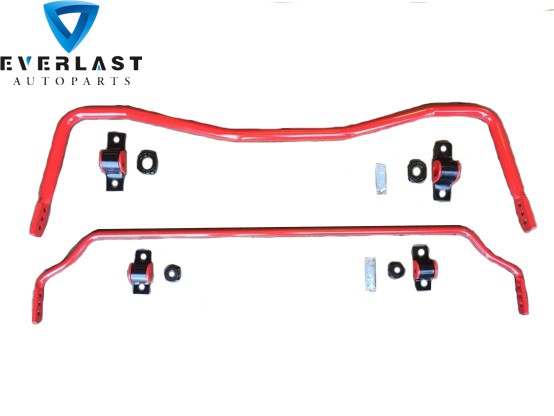
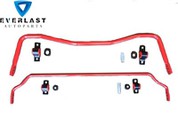
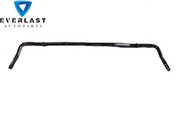
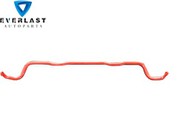
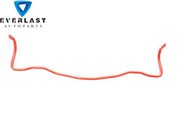
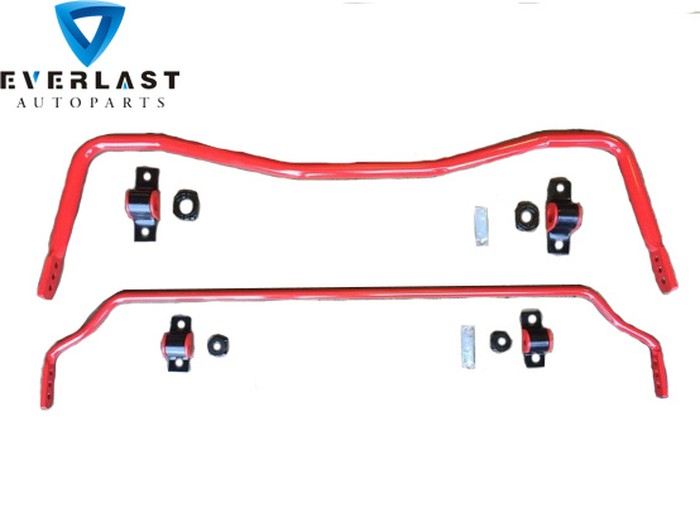
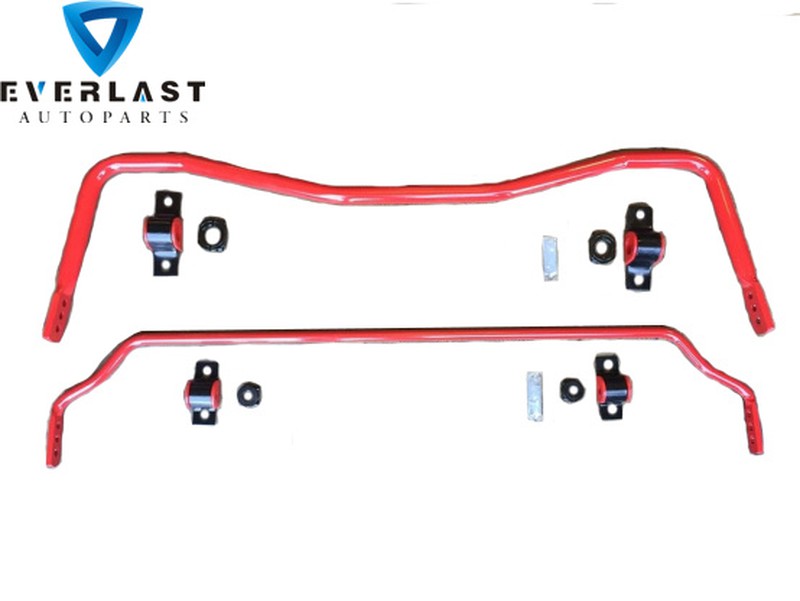
Sway Bars For Sport And Racing Cars 13 36500 2016
Sway bars is an automobile suspension part that helps reduce the body roll of a vehicle during fast cornering or over road irregularities.

- Product Introduction
Company Profile
Qingdao everlasting auto parts co., ltd. Was founded in 2018.Our main products are automobile suspension leaf springs, guide arms, coil springs and sway bars etc.We are a direct suspension leaf springs, guide arms, coil springs and sway bars manufacturer.Suspension leaf springs for trucks, trailers and pickups.Guide arms for air suspension system.Coil springs for cars.Suspension sway bars kits for racing cars, street performance cars, utvs and evs etc.
Why Choose Us
Our factory
Qingdao everlasting auto parts co., ltd. Was founded in 2018.Our main products are automobile suspension leaf springs, guide arms, coil springs and sway bars etc.We are a direct suspension leaf springs, guide arms, coil springs and sway bars manufacturer.
Our product
Suspension leaf springs for trucks, trailers and pickups.Guide arms for air suspension system.Coil springs for cars.Suspension sway bars kits for racing cars, street performance cars, utvs and evs etc.
Production market
In our domestic market, we manufacture leaf springs for oem truck manufacturers such as sintotruk and t-king etc.In the international market, we export to usa, russia, south koera, vietnam and uae etc.
Our service
Since its establishment, our company has been committed to meeting customers' requirement.We set up the principles of "high quality, fast delivery, quality warranty".We offer 12 months guarantee for our parts.
Related Product
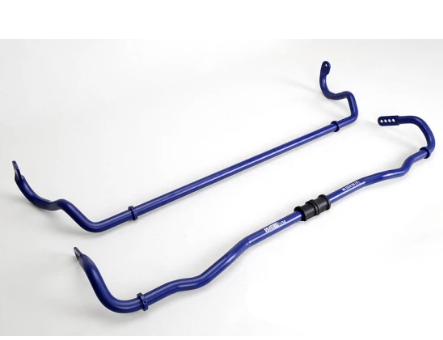
Sway Bars For Sport And Racing Cars H R 33239 1
4130 CrMo spring steel/30CrMo,Front 24mm solid sway bar- not adjustable,Rear 24mm solid sway bar- 4-way adjustable.
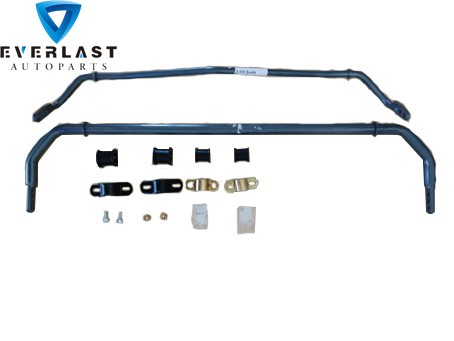
Sway Bars For Sport And Racing Cars RS CN Sway Bar
The front bar is a tubular design with 29.25MM diameter and 3.95MM wall thickness, while the rear is a solid 17.5MM.
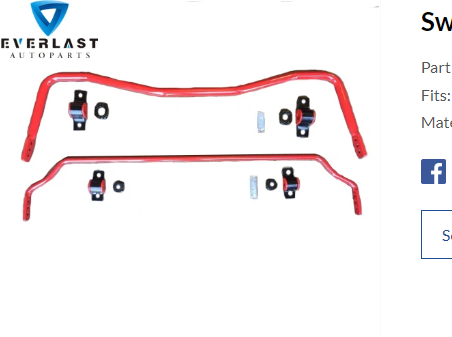
Sway Bars For Sport And Racing Cars 13 36500 2016
The front bar is a tubular design with 27MM diameter and 5MM wall thickness, while the rear is a solid 16MM.
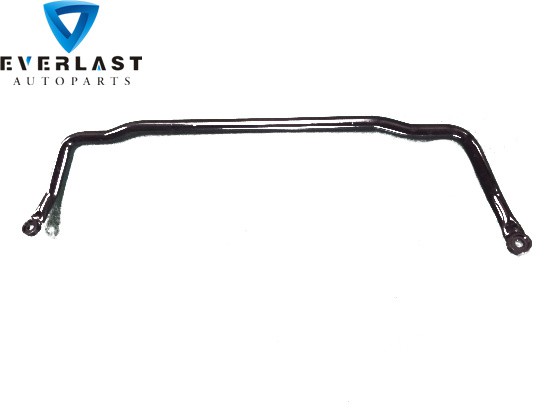
Sway Bars For Sport And Racing Cars Anti Roll Bar Kit 240
Volvo 240 Saloon or Estate 1977-1993 with 4-cylinder Petrol engines. (excludes V6 and D24 engines),Both the front and rear bars are a tubular design with 27MM diameter and 4MM wall thickness.
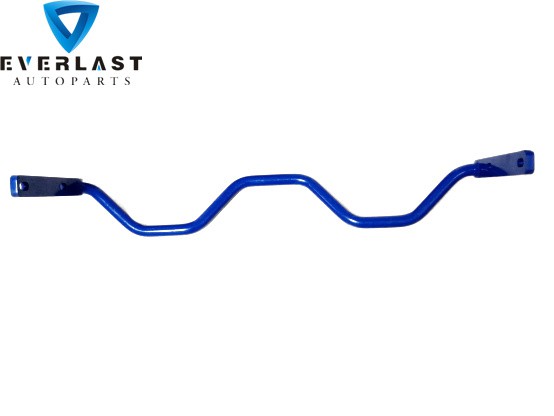
Sway Bars For Sport And Racing Cars IPD Anti Roll Bar Kit 240
Volvo 240 Saloon or Estate 1977-1993 with 4-cylinder Petrol engines. (excludes V6 and D24 engines),The rear bar is a tubular design with 27MM diameter and 4MM wall thickness.
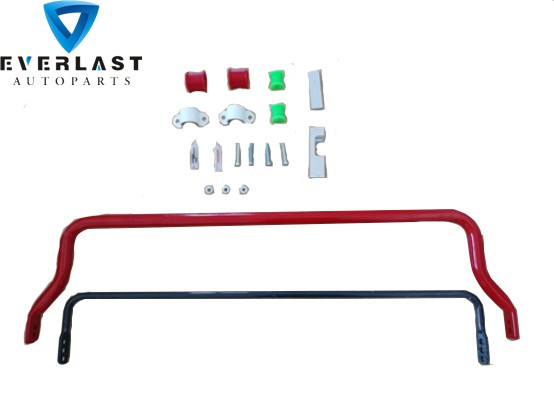
Sway Bars For Sport And Racing Cars RS AN Sway Bar
The front bar is a tubular design with 27MM diameter and 5MM wall thickness, while the rear is a solid 16MM.
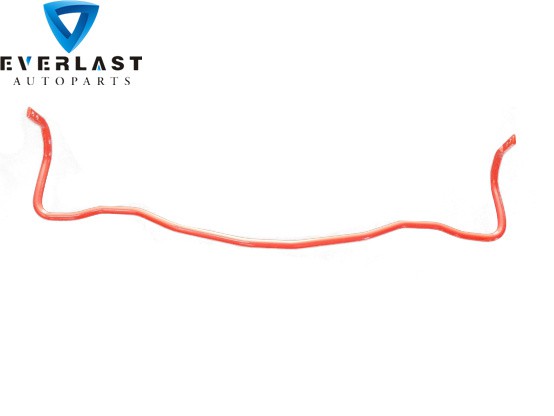
Sway Bars For Sport And Racing Cars S1X03G1HS020J
It is a 20mm solid rear sway bar. 2 adjustments to fine tune your setup.
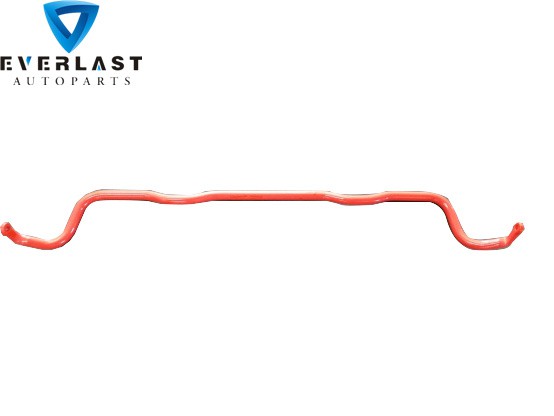
Sway Bars For Sport And Racing Cars S2X00G1GS023J
Part Number: S2X00G1GS023J,Specification: It is a 22mm solid front sway bar.
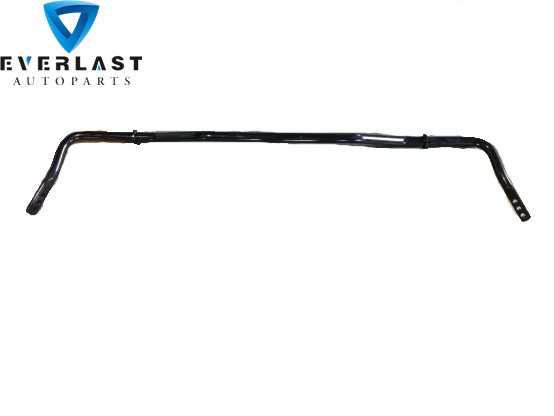
Sway Bars For Sport And Racing Cars Eibach 35145 320
The front bar is a tubular design with 35MM diameter and 6MM wall thickness, while the rear is a tubular design with 25MM diameter and 6MM wall thickness.
Sway bars is an automobile suspension part that helps reduce the body roll of a vehicle during fast cornering or over road irregularities. It links opposite front or rear wheels to a torsion spring using short lever arms for anchors. This increases the suspension's roll stiffness-its resistance to roll in turns. An sway bars or anti-roll bar is intended to reduce the lateral tilt (roll) of the vehicle on curves, sharp corners, or large bumps. Although there are many variations in design, the object is to induce a vehicle's body to remain as level as possible by forcing the opposite wheel's shock absorber, spring, or suspension rod in the same direction as the one being impacted.
Types of Sway Bars
Solid sway bars: Solid sway bars are the most common type found in modern vehicles. They consist of a single, solid metal bar that connects the left and right sides of the suspension. Solid sway bars effectively reduce body roll by transferring forces from one side of the suspension to the other during cornering.
Hollow sway bars: Hollow sway bars are similar to solid sway bars but feature a hollow tubular design. This design reduces weight without sacrificing strength, making hollow sway bars popular among performance-oriented drivers who seek to improve their vehicle's handling without adding unnecessary mass.
Adjustable sway bars: Adjustable sway bars allow drivers to fine-tune their vehicle's handling characteristics by adjusting the stiffness of the bar. This is typically achieved by changing the position of the end links or using adjustable mounting points. Adjustable sway bars are ideal for drivers who want to tailor their suspension setup to suit different driving conditions or preferences.
Non-adjustable sway bars: Non-adjustable sway bars have a fixed stiffness and cannot be adjusted. While they offer less versatility than adjustable sway bars, they are often more affordable and require less maintenance. Non-adjustable sway bars are suitable for everyday driving and casual enthusiasts who prioritize simplicity and reliability.
Solid rear sway bars: Solid rear sway bars are designed specifically for the rear suspension of a vehicle. They help reduce oversteer and improve stability during cornering by increasing the stiffness of the rear suspension relative to the front. Solid rear sway bars are commonly used in performance-oriented vehicles to achieve better balance and handling characteristics.
Solid front sway bars: Solid front sway bars serve a similar purpose to their rear counterparts but are installed in the front suspension. They help reduce understeer by increasing the stiffness of the front suspension relative to the rear. Solid front sway bars are often used in conjunction with solid rear sway bars to achieve optimal handling balance.
Active sway bars: Active sway bars, also known as dynamic sway bars, use electronic actuators or hydraulic systems to adjust the stiffness of the bar in real-time. This allows for dynamic changes in suspension stiffness based on driving conditions, vehicle speed, and other factors. Active sway bars are typically found in high-performance vehicles and luxury cars where advanced suspension technology is desired.
When your car moves, the weight it possesses moves too. So when you corner, the top of the car rolls to the outside of the turn, that's the lean that you feel. Imagine that one side leans up and the other side leans down. The weight 'sways' to the side of the car where the load is.
A sway bar, by being connected to both sides of the car helps mitigate this roll. This helps keep the inside tyres more planted and reduce roll to the sidewall on the outside tyres.
Imagine now that as one side goes up and across, it is pulling the other side to do the same. This means that when you have weight transfer, the sway bar helps the transfer to the sides to cancel out.
Some car makers even go a step further. They have adjustable or active anti-roll bars. So now when that weight is being transferred, the anti-roll bar actively manages just how much force is required to cancel the roll out. An active bar will constantly manage your car's weight transfers. Adjustable sway bars will require you to set it up depending on what to expect.
A larger sway bar will stop more body roll than smaller ones. You don't want a massive sway bar because the load transfer helps improve cornering grip. Manufacturers look for a goldilocks solution, not too big, not too small.
How to Install a Sway Bar on a Travel Trailer
Tools needed Lucky for us, installing a sway bar system on your tow vehicle and trailer is a straightforward process. With that said, you will need some power tools and a couple of hand tools to get the job done:
●Pencil or permanent marker
●Tape measure
●Drill with metal cutting drill bits
●Metal cutting fluid
●Impact driver with socket attachments
●Wrench set
●Installation
Step one of the installation process will be to open up your new sway bar kit and take a look at the pieces provided. You should find the following items in the kit:
●Slide bar/friction plate
●Ball assembly (ball, nuts, and washers)
●Ball mounting plate
●Spring clips
●Self-tapping screws
●Weld-on tab for mounting ball assembly (sometimes)
Installing sway bars on a trailer can help reduce the risk of swaying or fishtailing while towing. Here are the steps to install sway bars on your trailer:
●Attach the hitch sway control ball to the tow vehicle's hitch receiver.
●Measure the distance between the hitch sway control ball and the trailer's tongue, and then locate and mark the spot on the trailer's tongue where the trailer sway control ball will be installed.
●Drill pilot holes into the trailer's tongue at the marked spot using a drill bit of the appropriate size.
●Bolt the trailer sway control ball into place using bolts and washers, tightening them securely.
●Attach the sway control bar to the trailer sway control ball and then to the hitch sway control ball on the tow vehicle. Make sure the sway control bar is tightened securely and is level with the ground.
●Test the sway control unit by towing your trailer on a straight, level road at various speeds. Make sure the sway control bar is working properly and keeping the trailer stable. If necessary, adjust the sway control unit to ensure optimal performance.
The most important reason to have a sway bar is for safety. It can be very dangerous if a vehicle is upended too much in a turn. Aside from the very obvious danger of a rollover, sway bars help keep the vehicle from sliding in turns. In this way, they prevent the wheels losing grip, which can cause a driver to skid. This can make the car harder to control, particularly when turning or braking.
However, sway bars can have problems as well, which is why they are not applied on all vehicles and not applied the same way on vehicles that do have them. A too-rigid sway bar is one of the more common sway bar link symptoms: It can cause the entire car to feel stiff when going over a bump. It also may increase the likelihood of a wheel becoming airborne if too stiff.
Stiffer sway bars are typically found on cars that are likely to encounter high turning forces on smooth roads. A good example of this would be a racing car or a powerful sports car like a ford mustang or a dodge charger. These cars have thicker rear and front sway bars, as it is assumed that these cars will be driven on smooth roads at high speeds. Therefore, a stiffer sway bar allows these vehicles to take tight corners with less danger of the car losing its grip on the asphalt and becoming airborne.
However, if you are driving an off-road vehicle, it is likely that the sway bar is far less rigid or potentially may not exist at all, depending. For example, a jeep wrangler needs to be able to deal with large bumps. Given that the majority of jeep wranglers are also driven on smooth pavement they are very likely to still have some form of sway bar, even if far less rigid than that of a racing car. However, wranglers or other off-road vehicles that are solely dedicated to driving off-road may have their sway bars removed entirely.
How Sway Bars Help Your RV Ride More Smoothly
In many cases, sway is caused by an unbalanced load - especially if too many heavy items are loaded near the back of the trailer. This makes a certain level of fishtailing, as well as sway, almost impossible to avoid. Ideally, you should have around 60% of the total load resting on the trailer's front axles.
Also, try to keep the heaviest items low down on the trailer, like on the floor. Don't put them on the roof or in upper storage compartments, as they could contribute to rollover if the rv sways too much.
Along with #1, the other big issue is people putting too much stuff in their rv to the point it's near to or exceeding its weight limit. The heavier the rv is when loaded, the harder it will be to control in general. Be aware of everything in it and refer to your owner's manual for maximum capacity limits - then stay well under those limits.
Fast driving contributes to sway since it generates wind and air turbulence which can disrupt the rv - which usually isn't very aerodynamic. Even if you're driving on a road where the max speed is 70+, it's a good idea to keep your speed at 60mph or less, just to be safe.
Sway bars for rvs are specifically designed to absorb side-to-side movement. They're kind of like lateral shock absorbers and will do a lot to keep your rv much more stable on the road. This is an affordable upgrade that's easy for rv professionals to install, and a good set of rv sway bars should last you for many years.
Aftermarket sway bars
The right sway bar for your vehicle depends on how you drive and where you drive. Are you a full-time racer? Then aftermarket sway bars can be an ideal choice. Though the aftermarket sway bars are stiffer, they can improve the performance and the handling characteristics of the vehicle.
Stiffness
When going around turns, the outer wheels have a tendency to lift up due to various forces. A stiffer sway bar can help in such situations by lowering the outer end and leveling the vehicle which will increase traction at the wheels making you corner faster and with more confidence. This is why an increase in stiffness is often preferred when wanting track focused handling dynamics from your vehicle.
The stiffness is measured with regard to factory sway bars stiffness. So a stiffer sway bar for a particular vehicle will carry a 50% or 100% stiffer stock sway bar distinction on it. Use this percentage to decide how much stiffer you want your sway bars and consequently how much sturdier you expect your suspension to handle during cornering.
If you are using your vehicle on a daily basis just for normal driving then stock sway bars are perfect. Unless your factory sway bars allow body roll, then opt for an increase of about 50% stiffer bars. Sway bars with stock stiffness will offer you a factory-like ride quality.
If you drive regularly on the track or have a track car, then the sway bars with increased stiffness is usually your ideal choice. However, every vehicle is different and so is their suspension. This means you may have to use a trial and error method to determine the best stiffness sway bars for your car. It all depends on your personal preference and what you want from your vehicle. Remember that stiffer sway bars will also impact the everyday ride quality and you may find your ride to be a bit harsher due to the increased stiffness.
Types of bushings to consider
There are different types of bushings available and each has their own characteristics. Rubber bushings are affordable and maintenance-free, yet they will stretch under extreme-stress. Polyurethane bushings can be the best options as they are long lasting. Though they are a bit expensive, when compared to others, they are value for money as they last much longer and provide a good balance of comfort and performance.
FAQ
Hot Tags: sway bars for sport and racing cars 13 36500 2016, China sway bars for sport and racing cars 13 36500 2016 manufacturers, factory, Truck Leaf Springs Suitable for BENZ TRUCK 9483201605 1560MM, Truck leaf springs suitable for VOLVO TRUCK 237325 01 6 Leaves, Daewoo Euro Truck 4 3423107250R, VOLVO rear spring 257900 02, Mercedes ACTROS front spring BENZ TRUCK 9443200102 02 CH 3 Leaves, Truck leaf springs suitable for BENZ TRUCK 9483200907 01 5 Leaves
You Might Also Like